With the publishing of the diary Dr. Anthony Fauci kept on a government computer, many people who are still struggling with economic setbacks, their kids’ learning loss, mental problems, and the failure to see loved ones before they passed away, among other things, are calling for the Doctor’s head. While I share their dismay at the unnecessary detrimental actions Fauci favored that cost so many so much, I think we need to look at how these failures came about so we never repeat them.
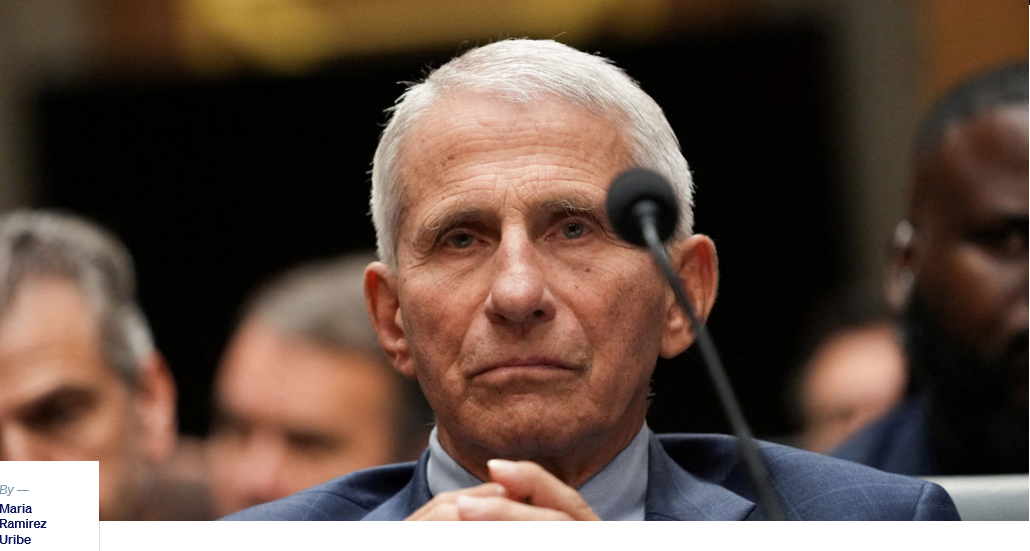
Pandemics have occurred throughout history and likely will continue in the future. It stands to reason that institutions such as the World Health Organization (WHO) and our Centers for Disease Control and Prevention (CDC) should create guidance on how to proceed when one raises its ugly head. By developing their responses before a crisis and coolly analyzing the data during calm times, we could avoid hasty, even panic-driven actions likely to make matters worse. Maybe much worse.
So why didn’t these esteemed organizations have a plan when COVID hit? It may come as a surprise to many, but both WHO and the CDC did have well-developed, thoughtful guidance. It was the Trump administration that decided to appoint a new board to guide our response, rather than follow the CDC plan already in place. It’s as if a school had a well-developed fire plan, but at the first sign of smoke the principal appointed a committee to work out a new plan rather than just following the existing one. Makes no sense and is likely dangerous, but that’s what we did.
Vice President Mike Pence, Alex Azar, the Health and Human Services Secretary, Dr. Deborah Birx, coordinator, Dr. Antony Fauci, infectious diseases; Dr. Robert Redfield, CDC director; and Jerome Adams, Surgeon General, made up the board. Maybe impressive on paper, but why would any plan this bunch came up with be as well thought out as the existing CDC plan? If Redfield had the CDC plan, and he did, why did he go along with this ad hoc committee?
The answer is Donald Trump didn’t trust or care for the CDC. He chose to bring the COVID response into the White House, making it impossible not to be political. In a sharply divided nation, this made certain the partisan backbiting that followed.
Like all committees or boards, someone becomes the spokesperson. The Committee face. After reading Fauci’s diary, is it any wonder this publicity-seeking narcissist grabbed the limelight? If Birx was supposed to be the coordinator, does anybody remember her other than her scarves?
Continue reading