One week out from the midterm elections is a good time to see how things are perceived, so we can judge what happens when the votes are counted.
Early on, most experts thought Republicans could lose the House, with Democrats needing only to flip a few seats. The Senate, however, looked safe for the GOP with a favorable map. Now polls show Democrats in a good position to take both houses.
This change may lead to a very contentious future. While the House can give an administration a tough time, losing both Houses can cause real pain. Confirming appointments for itself and the judiciary will be difficult, and in many cases impossible. If the two houses of Congress disagree on legislation, they go to conference for possible compromise. With both houses Democrat, that’s far less likely.
Facing opposition legislation, Trump can only veto—anything he proposes is a dead letter. He has more leeway in foreign affairs, but even there he may run up against the power of the purse. The administration will face endless congressional hearings.
An impeachment may be in the cards. The Democrats may think the third time is the charm. Trump could be the lamest lame duck.
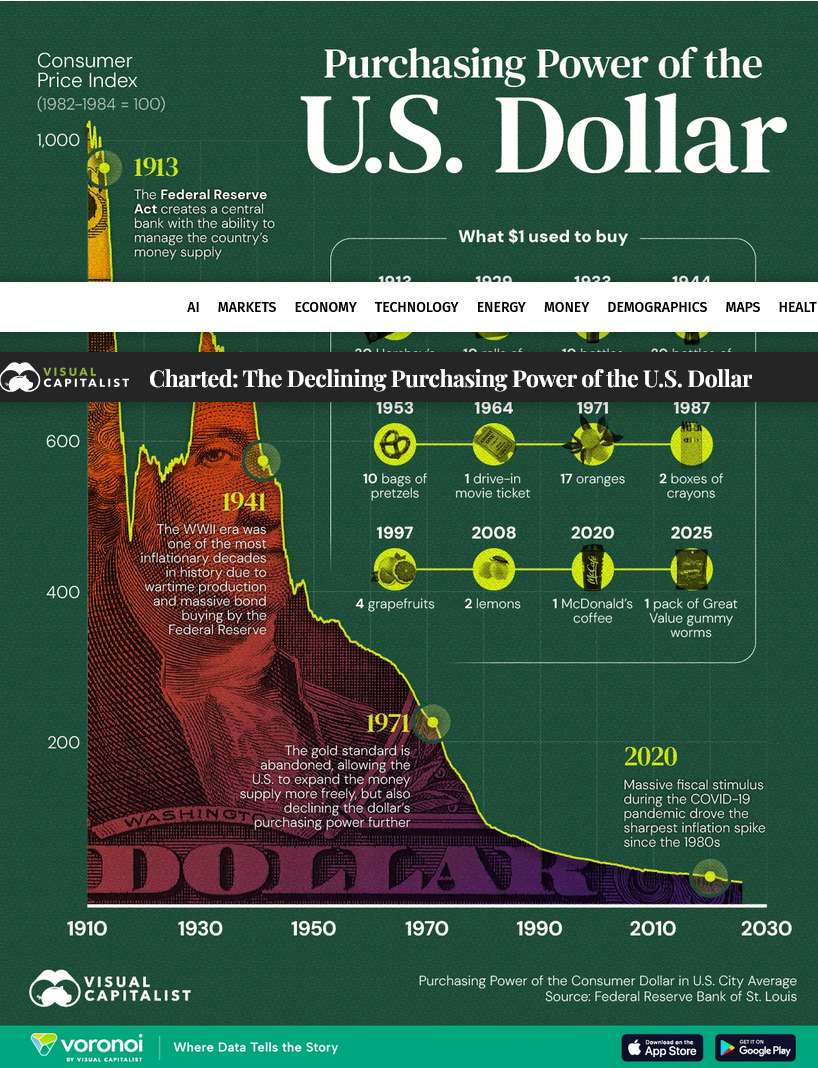
Trump has only himself to blame. When he took office, inflation had declined to 3% year over year. Still high, but down from a whopping 7% under Biden. While the Big Beautiful Bill had some questionable stuff, like no tax on tips, it had enough supply-side elements, when paired with regulatory reform, to help supply meet demand—a proven way to bring inflation down:
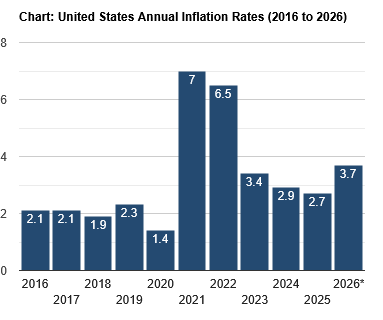
*The latest inflation data (12-month based) is always displayed in the chart’s final column.
Then came Trump’s “Liberation Day,” when he slapped big tariffs everywhere. Tariffs raise prices. How did this square with Trump’s promise to bring them down? It didn’t. It contradicted it. Even though the Supreme Court found the tariffs illegal and refunds are going out, Trump doubled down with new tariffs. Confusion reigns. Businesses don’t invest much when they’re confused.
Not content with his tariffs adding to prices, last February he decided to attack Iran. Claiming it would be a short war, here we are with trade restricted in two of the world’s most important trade routes. This situation is raising prices worldwide. Still without a workable war plan, there is no end in sight. Instead of falling to the Federal Reserve’s 2% goal, we’re at 3.7% and likely heading toward 4%.
Continue reading