Funny how things sometimes unfold in line with your thoughts. In my post two weeks ago, I pointed out that Trump’s reimposition of broad tariffs, taking effect, isn’t a sure thing. The administration promised speedy interest-bearing refunds to obtain a stay of the Court of International Trade’s (CIT) decision declaring the bulk of the president’s tariffs unconstitutional if the Government lost its appeals. Having lost in the Supreme Court, the administration now finds itself in an impossible situation.
You can bomb the hell out of the country, but you need forces on the ground to effect regime change. Nazi Germany was militarily superior to the British in WWII, but an all-out air campaign never broke them, without troops on the ground.
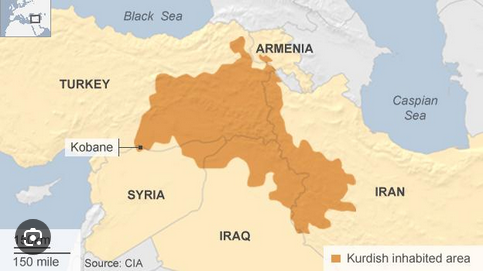
Last week, I wrote that the best bet to foster an armed Iranian uprising lay with the support of the Kurds on both sides of the Iran-Iraq border. However, our spotty treatment of this put-upon group might make them reluctant to bail us out:
In both cases, the administration appears not to have thought things through. Trying to slow down or block the refunds amounts to admitting it misled the courts. Now the refund case is back in the CIT, and Judge Richard Eaton has ordered the refunds. As the sole judge in charge of the refund cases, he has issued a straightforward ruling, leaving the Government no alternative but to do what it promised the courts.
Judge Eaton refused to issue a stay of his order pending the Government’s appeal. The Appeals Court has already delegated the CIT to handle the refunds, so it is unlikely to intervene. On Friday, the judge granted the Government more time after it admitted it had misled the courts and could not process the refunds immediately.
Given the Government’s history of promising speedy refunds if it loses, and then claiming it’s too difficult to issue quickly when the Supreme Court ruled against it, staying an adverse ruling in the CIT on the new 122 tariffs is anything but certain. Two dozen states are already filing suit against the new tariffs, and businesses are likely to be joined by those still suffering from the previous illegal tariffs. An injunction against their implementation is only just while awaiting a final decision.
Continue reading Detour on the Road