The Mouse Doesn’t Like You

Two takeaways from the debate: Trump is still Trump, and we have irrefutable confirmation the bulk media has crossed over to the dark side. Somewhere along the line, it became part of MAGA dogma that Trump is a great debater. The facts never supported this contention. He lost debates with Hillary Clinton in 2016 and failed to win against Joe Biden in 2020. Trump scored a solid victory in a presidential debate only against a feeble Biden in the recent one. You must return to the Republican primary debates in his first run, where Trump appeared to dominate. However, then he could belittle his opponents on a very crowded stage.

Trump, unprepared and drawn into rehashing his 2020 loss, failed to effectively present his case in a debate ripe with opportunities. On the other hand, Kamala Harris delivered many carefully vague, rehearsed answers, mainly unrelated to the questions asked. Her first question was, “Are you better today than four years ago?”‘ It was left unanswered in favor of a planned opening statement, setting the tone for the night’s rest. The ABC moderators’ failure to follow up and press her for an answer was consistent throughout the debate.

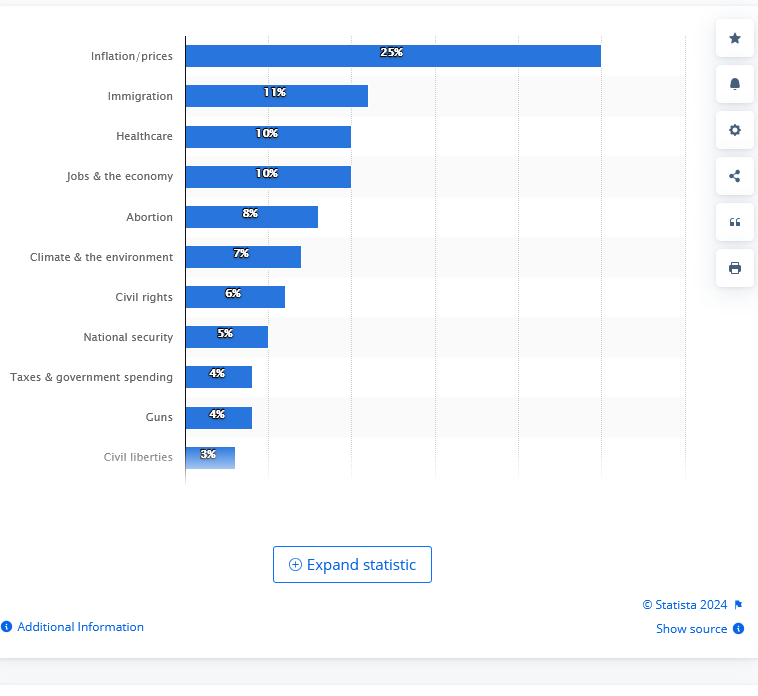
In judging the debate, it’s helpful to note what issues Americans care about most:
Before the event, Trump said Disney’s ABC was biased against him, so why agree to a debate where it might be three against one? Possibly, CNN’s recent Biden-Trump debate gave him a false hope of even-handedness. but that time, Biden’s removal was the target.,not him. It might’ve been hubris; maybe he didn’t comprehend how far Disney would go to ensure a Harris victory. Even though we’ve seen moderator bias in Presidential debates before, such as Candy Crowley erroneously intervening to back Barrack Obama over Benghazi Terrorism, severely damaging Mitt Romney when he was about to win his second straight debate.

Continue reading
The Other Debate

Examining the issues and how the candidates relate to them is crucial as we enter the home stretch of one of the strangest presidential elections ever. The last post exposed abortion as an emotional issue, lacking honest discussion. It’s important to approach such emotional problems with a balanced, rational perspective, considering the future demographics if abortion lacks any guardrails. Neither side offers depth to the debate, leaving us open to easily foreseen errors.

Unlike abortion, both candidates have four-year governing records so that we can compare their governing principles and results. Both faced domestic and foreign challenges, and the public had the basis to judge the results.

Domestically, the Trump administration turned over a growing, non-inflationary economy. The pandemic recovery might have been even more robust if Blue States had opened up at the same pace as Red.

Initially relying on his bureaucratic medical advisors, Trump made a hasty decision to shut down most of the nation and provide compensation to offset the resulting losses. However, he soon reversed his stance and favored reopening schools and businesses. Unfortunately, most Blue states were slow to follow, and we are still grappling with the prolonged effects of the lockdown, particularly in education. The impact of the pandemic on our economy and education system cannot be overstated.

Even with Trump’s lockdown and compensation overspending, by the time Biden took over, the nation was on its way to returning to the favorable economic conditions evident before the pandemic. By Biden’s inauguration, a million people got COVID-19 vaccine shots daily. No matter what the Kamala says, Bided-Harris came in on a favorable wave.

Continue reading

Abortion In A Broader Context

There is one issue with the emotional appeal of turning some into single-issue voters. Abortion has been a divisive issue for as long as I can remember, and I’m old. As one without a direct interest in the controversy, I’d like to try to take some emotion out of the conflict and inject some inconvenient facts into the discussion.

In my April post “Three Storylines Revisited,” I acknowledged the near impossibility of banning abortions in the first trimester since most are by pill. All we’d accomplish is a black market run by bad people. Further, we get wrapped up in the argument about when life begins.

The second trimester is a different story. We don’t use the pill after eleven months. We routinely perform ultrasounds at 10-13 weeks. Shortly after, we start testing the little one. Increasingly sophisticated, we’re learning all sorts of things about the baby. Aided by AI, we’ll know a lot more in the future.

Already, we’re identifying conditions, some life-threatening, that are correctable in the womb. While we can endlessly argue about when life begins, at this point, there is no contesting that the baby is alive. You can’t perform lifesaving procedures on something that isn’t alive.

We’ve all heard “Born that way,” to describe those on the Autistic Spectrum, members of the LBGTQ+ community, and many others. We have no reason to doubt these assertions, but people are “born that way ” for a reason. Some combination of DNA, enzymes, and other inputs determines these outcomes. Aided by AI, we will know the mix, probably shortly. Parents have a right to test results, so there is no keeping secrets.

Continue reading

Bad Ideas vs. What Works

The oddest thing about this presidential election is that nominees base their programs on highly discredited ideas. Price caps, tariffs, and industrial policy underlie Trump and Harris programs. One might think that finding what works and building on these have a better chance of success, but both have gone in the opposite direction.

In her first economic speech, Kamala Harris positioned her inflation-fighting program on a FTC crackdown on grocery price gouging. Rather than overspending by the Government resulting in too much money chasing too few goods, the accepted reason for inflation is those rascally grocers jacking up prices to fatten their profits. Better, the Government can control inflation by determining the “correct price.”

Price controls have a long history, going back to Roman times or earlier. They have uniformly failed, often making the situation far worse. High prices signal markets to increase supply or provide substitutes. Capping prices at a lower level sends the opposite signal, resulting in less supply, increasing shortages, and black markets. Marxist countries such as the USSR, Cuba, and Venezuela suffered from the Government dictating prices.

In an era of “Super Abundance,” as documented in the same-titled book by Tupy and Pooley I’ve been recommending, you must work hard to have so much less. Richard Nixon discovered this through his wage and price controls in the 1970s. Shortages and lines were a feature of our lives. Autos in long lines at gas stations brought home this policy failure to every community.

Upon his election in 1980, Ronald Reagan dumped the price caps on oil. Many projected the price of a barrel of oil would soar to over $100. Instead, the price ultimately bottomed out at around $10. The market reacted to price signals and brought forth price-reducing supply.

Why would anyone replicate a failed policy? Kamala Harris’s boss, Joe Biden, proposed rent control, an even worse policy. Will the Democratic nominee pursue this? What other prices will she cap?

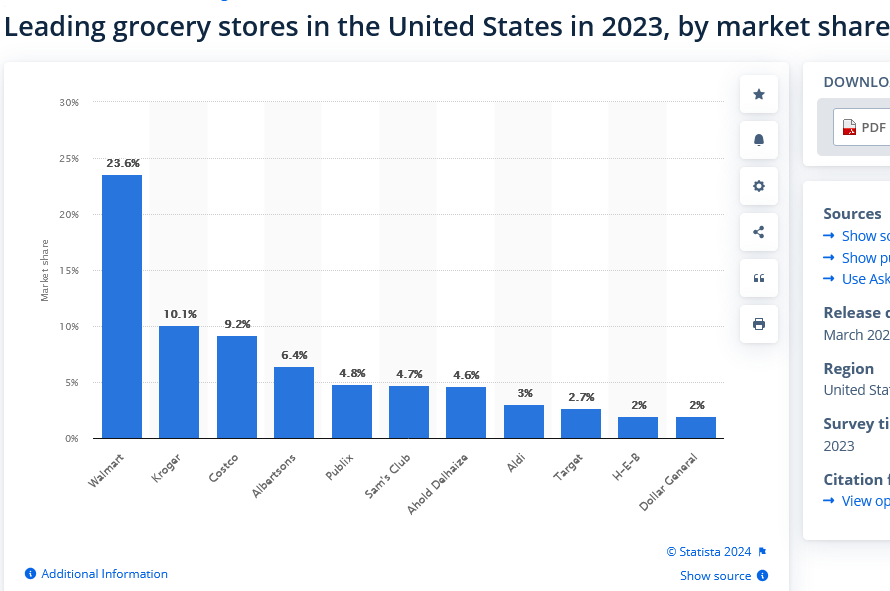
In any case, why pick on grocers? Of the top five places most people purchase groceries, who’s a gouger? Walmart? Costco? Who should the FTC go after?

Not to be outdone in resurrecting bad policy, Trump is touting tariffs as a cure-all. Keeping out foreign products will foster making things here, producing good-paying jobs. Foreigners who have been taking advantage of us will pay huge taxes into our coffers-America first. What’s not to like? After all, didn’t we have high tariffs in the past to protect our industries?

Continue reading

Vibes vs. Veritas

Ukrainian forces enter Russia, heading towards Kursk. Iran threatens a full-scale attack on Israel. Weakening labor markets signal economic woes ahead. A U.S. ally, the Philippines, is increasingly embroiled over an island with China. The border crisis continues. With widening problems, both here and abroad, one might think The Presidential contest in its home stretch should be laser-focused on who can best handle our myriad of issues.

While Trump’s four-year record illustrates how he tackles problems, Kamala Harris recently replaced Joe Biden at the top of the ticket. Will she continue the Biden-Harris administration policies or take a different approach? The November election is approaching, and voters should know where the candidates stand. As crazy as it sounds, we have no idea where Kamala stands on any issue save abortion. She’s for it right up to birth with little restriction.

In her short 2020 presidential, she took clearly defined positions on illegal aliens, medicare for all, taxes, and a host of other things. Does she still hold those views? She’s been part of the present administrations. Is she standing in lockstep with its actions? For example, was she in favor of our disastrous Afgan withdrawal? What was her input on the administration’s legislative agenda that resulted in the inflation hurting so many? So many questions and so little time.

What do we know so far about the Democratic presidential Candidate? According to the Washington Post’s top writer, Fareed Zakaia, she is “winning the all-important battle-vibes. He informs us that “…people don’t tend to vote rationally, but rather use voting to express themselves in emotional, ideological and moral ways.” “Harris has run a remarkably focused and disciplined campaign, one that seems deliberately light on substance and high on feelings.”

Not to be outdone, The New York Times’s Ezra Klein claims, “Harris’s communications are playful, mocking, confident, even mean.” Nowhere does he mention substance. Like Zakaria, what is important is to “fight — and win — the battle for attention. She had help, to be sure. Online meme-makers who found viral gold in an anecdote about coconuts. Charli XCX’s “Kamala IS brat.”

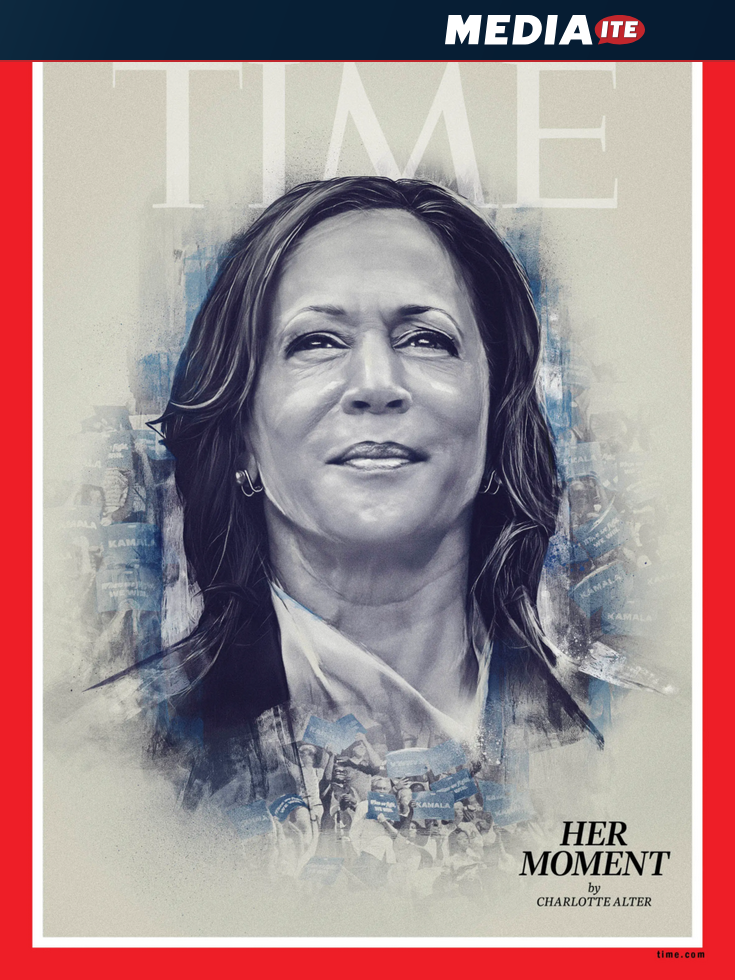
Time Magazine features a very flattering Harris Cover. The story inside was long on vibes but didn’t feature an interview or any statement from the subject.

We finally have one policy position: she’s against taxing tips. Where have we heard that idea? Oh yes, Donald Trump proposed it months ago. Kamala certainly learned something from Joe Biden about plagiarizing. Stealing from your opponent takes the art to new heights. Interestingly, writers at the Democrat-allied New York Times and the Atlantic knocked no taxes on tips just the month before.

Continue reading